
Introduction to Transit Advertising
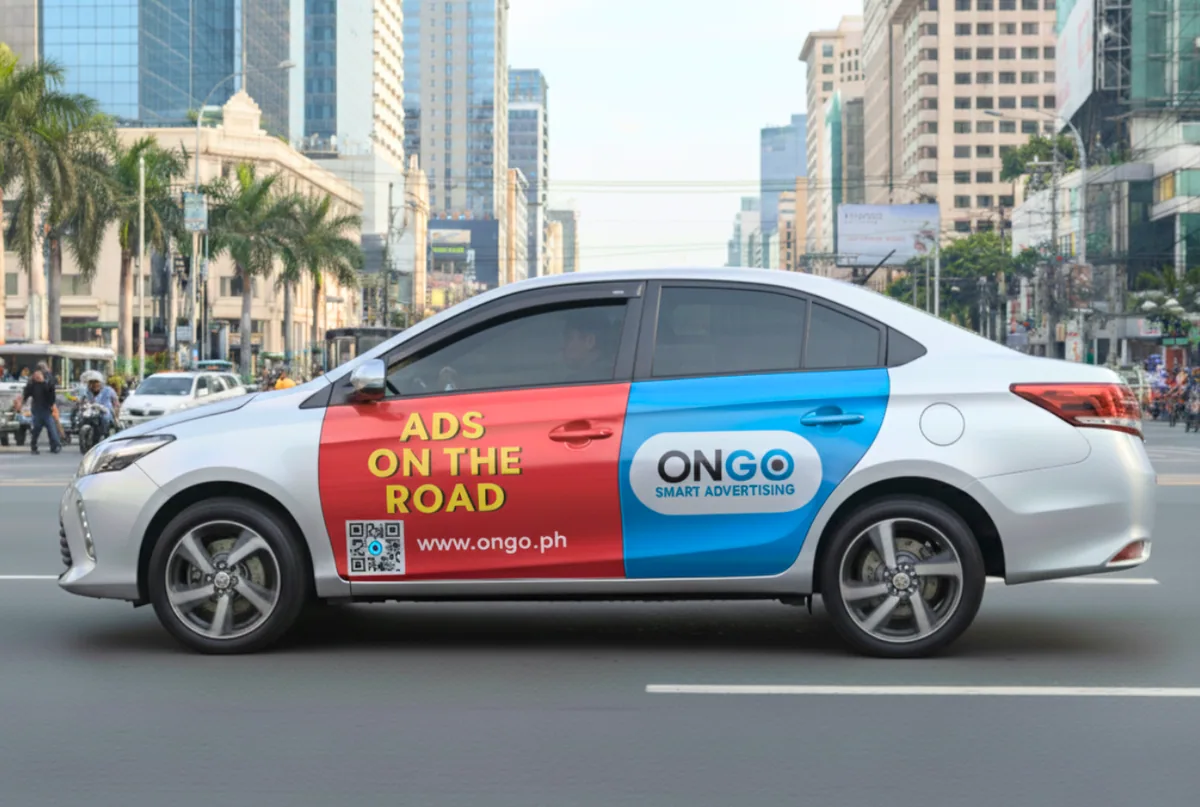
Transit advertising has become one of the most effective forms of out-of-home(OOH) Advertising in the Philippines. It allows brands to reach thousands of daily commuters traveling through high-traffic areas like Metro Manila. From buses and trains to jeepneys and digital billboards, transit advertising offers immense visibility and brand recall.


As the advertising agency Philippines advertising industry in the Philippines continues to evolve, transit advertising plays a vital role in helping brands stand out in a competitive marketplace. With both traditional and digital transit media available, it provides a cost-effective way for businesses to connect with their target audience and maximize exposure.
Understanding the Target Audience
The foundation of a successful transit advertising campaign lies in understanding the target audience. Every brand must identify who they are trying to reach, what their daily routines look like, and what messages resonate most.
Transit advertising allows businesses to target specific demographics, such as commuters in central business districts, students traveling to universities, or working professionals heading to major transit hubs. This captive audience spends significant time in transit, creating multiple touchpoints for brand engagement.
By analyzing audience behavior and preferences—such as travel routes, peak hours, and pain points—advertisers can create tailored messaging that captures attention and encourages action. Identifying the right target audience ensures every transit ad delivers maximum exposure and long-term brand recognition.
Types of Transit Ads
Transit advertising comes in many forms, each offering unique advantages depending on the campaign goal and audience location.
1. Bus Advertisements:
Bus wraps and panels are among the most popular transit advertising formats. They provide large surface areas for creative visuals, allowing brands to stand out on busy roads. Since buses move through multiple routes daily, they deliver widespread coverage across neighborhoods and cities.
2. Train Advertisements:
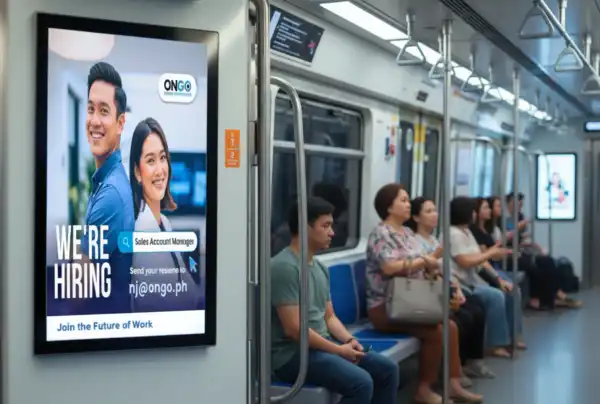
Train ads and station posters are ideal for reaching urban commuters. With thousands of daily passengers, trains provide high-frequency visibility. Station placements also offer extended viewing times while passengers wait, resulting in stronger brand recall.
3. Jeepney Ads and Mobile Billboards:
Jeepneys remain an iconic part of Filipino culture and serve as highly visible mobile advertising spaces. Similarly, mobile billboards can move strategically through target locations, maximizing reach and flexibility.
4. Digital Billboards and Displays:
Digital transit ads, such as LED screens and interactive panels, allow for dynamic content that can change in real-time. This flexibility enables brands to run time-sensitive campaigns, showcase multiple messages, and capture attention through motion and light.
Creating Effective Transit Ads
An effective transit ad should instantly capture attention—even in motion. Since commuters only have a few seconds to view an ad, every element must be clear and compelling.
Start with a concise headline that communicates a single, powerful message. Pair it with eye-catching visuals that reflect the brand’s identity and appeal to local culture. A clear call to action (CTA), such as “Visit Now” or “Scan to Learn More,” helps drive engagement and conversions.
Understanding the target audience’s needs and motivations is essential for creating ads that resonate. Adding QR codes, social media handles, or short URLs allows commuters to take action easily, while tracking engagement for better measurement. Regular testing of ad layouts, designs, and messaging ensures continuous optimization and better performance.
Advertising Strategy
A strong advertising strategy forms the backbone of a successful transit campaign. It begins with setting clear objectives—whether the goal is to raise brand awareness, promote a new product, or drive store visits.
Transit advertising works best when integrated with other channels such as digital ads, influencer marketing, and traditional outdoor media. This multi-channel approach reinforces messaging and strengthens brand presence across touchpoints.
When planning your strategy, assess both reach and cost-effectiveness. Transit ads can deliver significant impressions at a fraction of the cost of TV or digital campaigns. By aligning creative assets with commuter behavior and campaign objectives, businesses can make the most of their advertising budgets.
Tracking and refining your strategy through performance metrics like impressions, foot traffic, and sales uplift will help maintain efficiency and consistent ROI.
Measuring Effectiveness
Measuring the success of transit advertising is essential to understanding its true value. Traditional metrics like impressions and estimated reach provide a baseline, but modern campaigns now integrate data-driven insights.
Brands can track campaign effectiveness through foot traffic analysis, sales uplift, and brand recognition studies. Location-based technologies, such as GPS and mobile data, can provide detailed reports on exposure frequency and consumer engagement.
In addition, conducting surveys and focus groups offers valuable qualitative feedback. These insights help refine creative messaging, optimize placement, and improve future campaigns. Consistent measurement turns each advertising effort into an opportunity for smarter decision-making.
Outdoor Advertising Trends
The outdoor advertising landscape in the Philippines is rapidly shifting towards digital out-of-home (DOOH) media. Advertisers are increasingly investing in LED screens, motion graphics, and data-integrated solutions to make campaigns more interactive and engaging.
Transit advertising remains at the center of this transformation. With the rise of digital bus panels and train station displays, brands can now schedule, automate, and adjust content in real-time. This flexibility allows campaigns to stay relevant and dynamic.
Moreover, outdoor advertising is expanding beyond traditional billboards. Street furniture, public transit spaces, and hybrid digital installations are all contributing to a more immersive brand experience. Understanding these trends ensures businesses stay competitive and future-ready.
Choosing the Right Partner
Choosing a reliable partner for transit advertising is one of the most critical decisions for campaign success. The right partner brings expertise, data insights, and logistical experience to manage complex advertising networks across the Philippines.
When evaluating a partner, look for one with proven experience in transit media, a strong track record of results, and deep knowledge of the local market. An experienced provider can help you with creative strategy, ad design, and media placement—ensuring every peso spent yields measurable value.
Also, consider their value-added services, such as reporting dashboards, performance analytics, or design support. These can significantly streamline campaign management and enhance overall efficiency.
Location Selection Strategy
Location selection is one of the most crucial elements in maximizing the impact of transit advertising. Ads placed in high-traffic areas such as EDSA, Ortigas, Makati CBD, and BGC can reach millions of commuters daily.
Understanding where your target audience travels allows for smarter ad placement. For example, ads near universities appeal to students, while placements near office districts target professionals. Data analytics and heat maps can help identify top-performing areas and time slots for exposure.
Brands should also consider locations near shopping malls, bus terminals, and train stations, as these attract consistent foot traffic. Strategic location selection ensures the message is seen repeatedly, boosting brand awareness and recall.
Booking Process and Timelines
The booking process for transit advertising typically follows a structured timeline to ensure smooth execution. It begins with selecting preferred locations and ad formats based on target demographics and campaign goals.
Once the creative materials are approved, production and installation follow. Lead times vary depending on the medium—bus wraps and billboards may require longer production, while digital screens can go live faster.
It’s crucial to plan ahead and coordinate closely with your advertising partner to avoid delays. Understanding booking deadlines and approval windows ensures your campaign launches on schedule. Businesses should also evaluate options for both short-term promotional campaigns and long-term brand awareness initiatives.
Conclusion
Mastering transit advertising in the Philippines requires a combination of creativity, strategy, and data-driven execution. Brands that understand their target audience and craft visually impactful messages are more likely to stand out in the fast-paced commuter environment.
By partnering with an experienced transit media company, selecting prime locations, and maintaining clear campaign objectives, businesses can achieve maximum exposure and measurable results. Integrating transit ads with broader marketing efforts further enhances visibility and brand trust.
Finally, continuous performance measurement and staying updated with outdoor advertising trends—especially digital innovations—will help businesses stay ahead of competitors and unlock the full potential of transit advertising in the Philippines.


Put Transit Advertising to Work with OnGo
You’ve seen how transit advertising delivers cost-effective reach, high exposure, and precise targeting. But knowing its power is just the first step—executing it the right way is what drives real results.
That’s where Ongo comes in. We help businesses design and manage impactful transit advertising campaigns across buses, trains, taxis, and digital screens throughout the Philippines. From strategy to execution, we make sure your brand gets seen by the right people, in the right places, at the right time.
Ready to amplify your brand visibility with transit advertising?
Start Your Transit Advertising Campaign with OnGO