
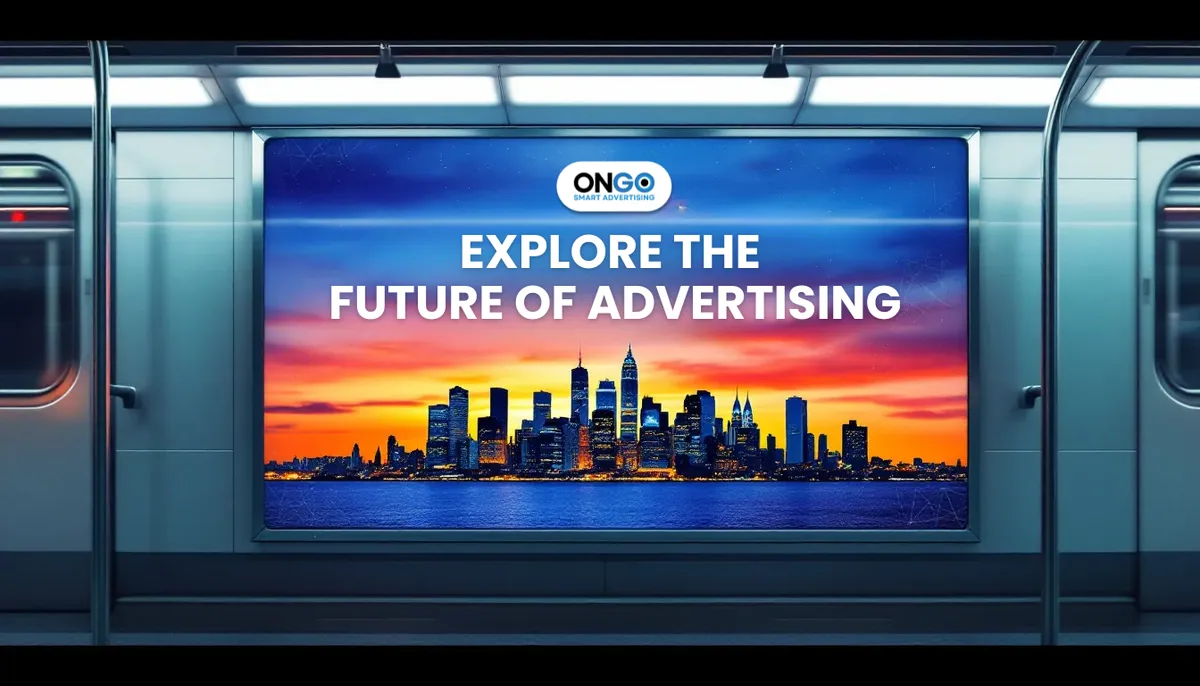
Transit advertisements are a powerful form of advertising placed on public transit vehicles and stations, making them a key form of out-of-home (OOH) marketing. This form of advertising taps into diverse audiences by leveraging public transit systems and spaces such as railway stations, subway stations, and waiting areas. Transit advertising reaches a large, diverse audience by placing ads in environments where people naturally gather, ensuring high visibility and repeated exposure.


Unlike traditional forms or digital advertising that appear only on personal devices, transit advertising utilizes advertising space on moving billboards like buses, subway cars, and trains, as well as fixed locations in busy commuter hubs. These ooh ads make it easy for brands to advertise in high-traffic public areas, boosting brand recognition and awareness.
Transit advertising also reaches a wide spectrum of audiences: commuters on their daily travels along fixed routes and same routes, pedestrians on the move, and even drivers stuck in traffic. One major advantage and major advantage of this approach is the repeated exposure to the same audience, which reinforces messaging and increases brand recall. For transit advertisers, this lower cost option allows for effective use of the marketing budget compared to traditional forms, while still delivering an impactful campaign.
In this guide, we’ll explore the benefits, types—including train ads advertising, bus wrap, and subway cars—digital innovations like QR code engagement, applications, and measurement of transit advertising, as well as how businesses can plan a successful transit ad campaign or transit advertising campaign.
Benefits of Transit Advertising
Transit advertising offers several factors that contribute to its advantages, making it a cost-effective and results-driven strategy.
1. Reaches a Captive Audience in High-Traffic Areas
Bus stations, subways, train platforms, and waiting areas are filled with commuters who are waiting or traveling. With limited distractions, they form a captive audience, giving your brand message more visibility and attention.
2. Cost-Effective Advertising Option
Compared to TV, print, or other traditional channels, transit advertising provides broad reach at a fraction of the cost. It allows businesses to maximize exposure while keeping marketing budgets manageable.
3. High Brand Exposure and Recognition
Formats like bus wraps, mobile billboards, and taxi ads are large, visible, and constantly on the move. This repeated exposure builds familiarity and trust, making your brand easier to recall.
4. Effective Geographic Targeting
Transit ads can be placed strategically in specific areas. For example, buses traveling through business districts or taxis operating in city centers ensure your brand connects directly with the audience you want to reach.
Together, these benefits explain why transit advertising is one of the most effective OOH strategies. But what formats are available? Let’s explore.
Types of Transit Advertising
Transit advertising comes in many forms, each with its own strengths and opportunities.
Bus Wraps and Subway Car Ads
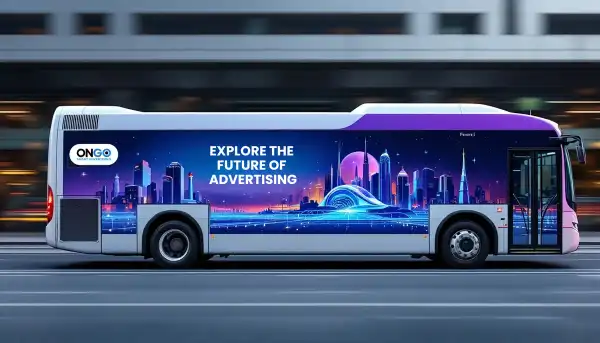
Oversized formats like bus wraps and subway car ads—which are placed directly on subway cars—create bold, high-visibility impressions that capture both commuters and pedestrians.
Taxi Tops and Mobile Billboards
For a more targeted approach, taxi tops circulate through busy streets, while mobile billboards can be routed to specific neighborhoods, events, or high-traffic zones.
Digital Transit Advertising
With technology on the rise, digital screens in train stations, subways, and bus shelters now deliver dynamic, real-time content. Interactive engagement is further enhanced by including a QR code, allowing commuters to easily access more information, such as online shops or product specifications, directly from the advertisement.
We’ll dive deeper into digital transit advertising in the next section.
Transit Media for Comprehensive Campaigns
By combining print and digital formats within a transit ad campaign or transit advertising campaign, businesses can strategically reinforce brand messages across multiple touchpoints for maximum impact. This approach can result in an impactful campaign that captures attention and leaves a lasting impression on viewers.
What Is Digital Transit Advertising (DOOH)?
Among all formats, Digital Transit Advertising, also known as DOOH (Digital Out-of-Home), is growing the fastest. Unlike traditional digital advertising, which can be skipped or blocked online, digital transit advertising offers constant visibility in public spaces and cannot be easily ignored.
Interactive engagement: Commuters can scan QR codes or use touchscreens to unlock promotions, discounts, or more information.
High visibility: Screens in bus shelters, subways, and train stationsguarantee thousands of daily impressions.
Precision targeting: Campaigns can be tailored by location, time slot, or commuter profile, ensuring ads hit the right people at the right time.
With movement, visuals, and interactivity, DOOH creates memorable experiences that go beyond static ads—making it one of the most impactful advertising formats in 2025.
Top Applications of Transit Advertising
So how do businesses actually use transit advertising? Often, transit advertising is implemented as part of a broader advertising campaign, allowing businesses to strategically plan their messaging, select appropriate transit media, and effectively reach their target audience. Here are the most common applications:
1. Promoting Products and Services
From retail to food and entertainment, transit ads keep products top of mind by reaching commuters in crowded public spaces.
Example: A movie launch using subway ads to generate buzz before opening weekend.
2. Boosting Local Businesses and Events
Transit ads are perfect for local promotions. They help drive foot traffic and sales for restaurants, shops, and community events.
Example: A neighborhood café advertising at nearby bus stops to attract morning commuters.
3. Engaging Commuters and Pedestrians
Placed in buses, subways, and transit hubs, these ads connect with people in everyday settings—creating a unique engagement opportunity that feels natural and hard to miss.
4. Building Comprehensive Campaigns
Transit advertising works best when paired with digital, print, or social media ads. This multi-channel approach reinforces brand messages across multiple touchpoints, amplifying reach and impact.
Measuring Success of Transit Advertising
A successful campaign isn’t just about running ads—it’s about measuring and optimizing results.
Tracking Key Metrics
Monitor ad exposure, brand recognition, and sales performance to evaluate effectiveness.
Using Data and Research
Leverage audience insights and consumer feedback to refine placements and messaging for better performance.
Setting Clear Goals and Objectives
Whether the goal is to increase awareness, boost sales, or drive foot traffic, clear objectives make evaluation straightforward.
Measuring ROI Beyond Visibility
Transit ads can also drive website traffic, social media engagement, and direct sales—proving their measurable ROI and true marketing value.
With the right tracking, businesses can optimize future campaigns. But executing all this effectively often requires an experienced partner.
Target Audience
The true power of transit advertising lies in its ability to reach a broad yet highly diverse audience. Every single day, public transportation is used by commuters heading to work, students on their way to school, tourists exploring new destinations, and locals moving through their neighborhoods. This constant flow of people means that transit ads can engage consumers from all walks of life, making them an ideal choice for brands seeking wide exposure and lasting impressions.
At the same time, effective campaigns don’t just rely on reach—they rely on understanding demographics and commuter habits. For instance, train and subway ads are particularly impactful during rush hours, when they capture the attention of economically active professionals. Bus ads, on the other hand, extend visibility to both passengers and pedestrians moving along busy urban routes. And taxi ads, with their constant mobility across high-density areas, provide flexibility to target specific neighborhoods or customer segments.
By tailoring ad designs, messaging, and placement strategies to match these audience profiles, advertisers ensure that their campaigns are not only visible but also relevant and persuasive. This precision makes transit advertising one of the most cost-effective ways to maximize ROI while reaching audiences in their daily routines.
Effective Ad Creation
Leverage Large Format Spaces
Unlike digital ads squeezed onto small screens, transit ads benefit from expansive canvases such as bus wraps, taxi wraps, and large station panels. These oversized visuals naturally draw attention and leave a lasting impression on both commuters and pedestrians.
Keep Messaging Clear and Concise
In fast-moving environments, simplicity is key. Use bold graphics, strong headlines, and simple calls to action that can be understood in just a few seconds. The goal is to communicate impact instantly, even to someone rushing by.
Enhance Engagement with Digital Elements
Adding interactive tools like QR codes or digital screens bridges offline and online engagement. Commuters can scan for special offers, learn more, or connect with your brand instantly—turning attention into action.
Focus on Results-Driven Creativity
The high visibility and cost-effectiveness of transit advertising make it a smart choice for businesses aiming to grow brand recognition. By combining creative, eye-catching designs with the unique strengths of transit media, advertisers can build campaigns that not only capture attention but also drive measurable results.
Conclusion: Why Transit Advertising Works in 2025
Transit advertising remains one of the most effective ways to capture attention in public spaces. From bus wraps to DOOH screens, it provides unmatched visibility, geographic precision, and measurable ROI.
Whether you’re promoting a local event, boosting retail sales, or building nationwide brand awareness, transit advertising ensures your message travels where your audience already is.
With Ongo as your partner, you can transform everyday commutes into powerful brand exposure opportunities.


Put Transit Advertising to Work with Ongo
You’ve seen how transit advertising delivers cost-effective reach, high exposure, and precise targeting. But knowing its power is just the first step—executing it the right way is what drives real results.
That’s where Ongo comes in. We help businesses design and manage impactful transit advertising campaigns across buses, trains, taxis, and digital screens throughout the Philippines. From strategy to execution, we make sure your brand gets seen by the right people, in the right places, at the right time.
Ready to amplify your brand visibility with transit advertising?
Start Your Transit Advertising Campaign with OnGO